
A place in Jávea, chosen well
Pine coves, the Montgó at your back, and one of the most international towns on the coast. Here is what Jávea is really like to buy in, area by area, and how the process runs when you are doing it from another country.
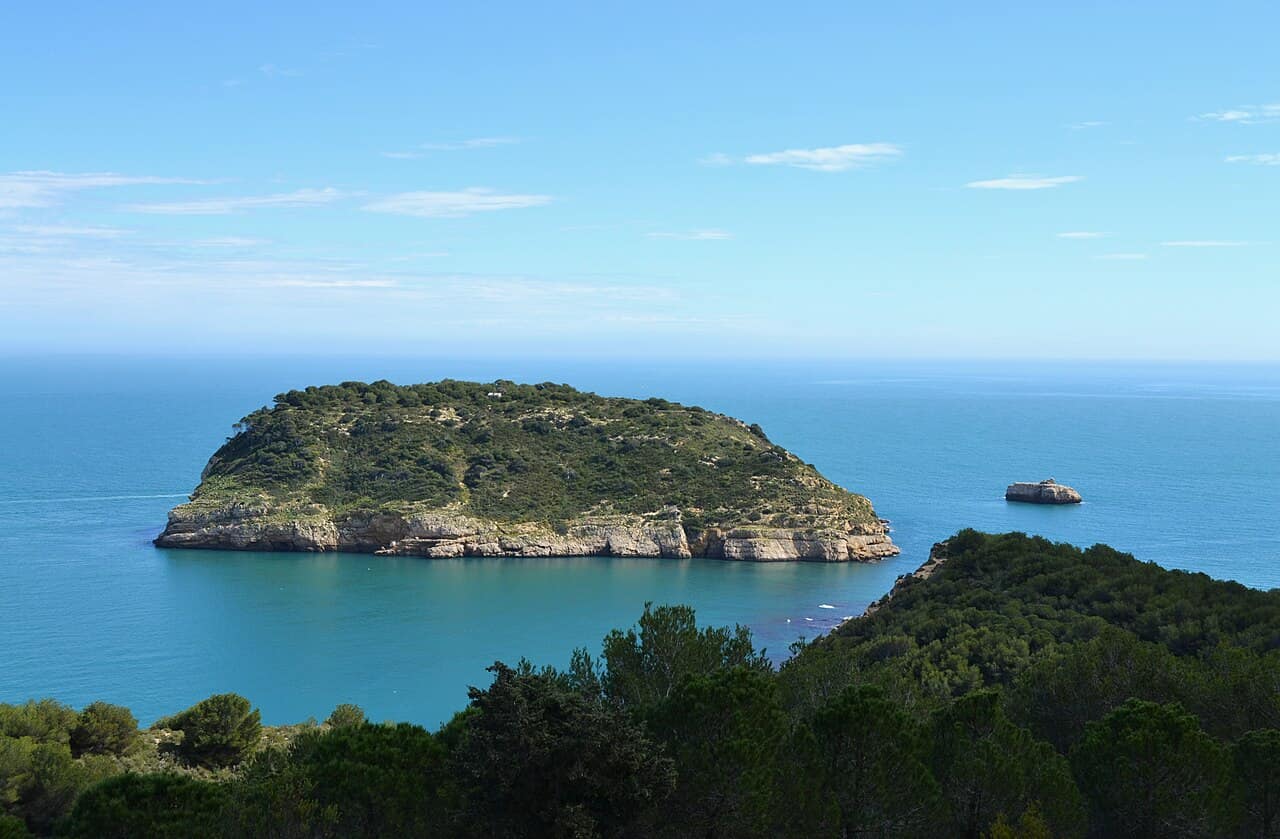
Jávea is three quite different places, and which one suits you matters more than the asking price. The Arenal is the sandy beach with the promenade of restaurants and most of the apartments. The Port is a working harbour with year-round town life. And Xàbia pueblo, the old town a couple of kilometres inland, is stone streets and a covered market, quieter and more Spanish.
Around them the villa country climbs: the slopes of the Montgó natural park, the coves out towards the Granadella, and urbanisations like the Balcón al Mar. This is where most of the sea-view houses are, and where the local detail matters most, from what you are allowed to build to how you reach the water.
The town draws a genuinely international crowd. British, Dutch, German, Belgian and Spanish neighbours end up on the same street, which is why so much here gets done in more than one language. It also means demand stays steady, and the right homes tend to move quietly, often before they ever reach a portal.
Four Jáveas, really. Here is who each one tends to suit.
The Arenal
The sandy beach and the restaurant promenade. Apartments and a few villas, flat and walkable, liveliest in summer. The easy choice if you want the beach at your door and people around all year.
The Port
A real harbour with a marina, a fish market and everyday shops. Town life that does not switch off in winter, a short walk from the water. More apartments and townhouses than big villas.
Xàbia pueblo (the old town)
Stone streets, the covered market and a more Spanish rhythm, a couple of kilometres inland. Townhouses and village homes, cooler in summer, and better value than the seafront.
The Montgó slopes & the coves
Villa country: sea views, larger plots and the natural park behind. This is where local rules bite hardest, on building, boundaries and access, so it is the ground to check most carefully before you fall for a view.
Jávea is an easy town to fall for and a specific one to buy in. A few things worth knowing before you start looking.
You can buy as a non-resident
There is no restriction on foreigners owning property in Spain. You will need an NIE (your Spanish tax number) and a Spanish bank account. We help you arrange both early so nothing stalls on the way to the notary.
The Montgó park changes the rules
Much of the hillside sits inside a protected natural park, which limits what can be built or extended, and sometimes whether a plot is buildable at all. On any rural or hillside home, your independent lawyer confirms the land classification before you commit. We flag it early and line up the questions; the sign-off is theirs.
Villas mean plots, and plots mean detail
Water and electricity connections, access roads, pool and boundary permissions: on villa and finca purchases these are what decide whether a home is as carefree as it looks. We prepare the nota simple and the paperwork so your lawyer has what they need to check.
Community or independent
Urbanisations like the Balcón al Mar come with community fees and shared upkeep; a standalone villa gives you privacy and every bill of your own. Neither is better. We will be straight about which fits the way you actually want to live.
Is Jávea a good place to buy?
For a lot of cross-border buyers, yes. It is green, walkable, genuinely international, and 25 minutes from Dénia, with Alicante and València airports both around an hour away. The honest catch is that "Jávea" means four different places, so the right answer depends on whether you want the beach, the port, the old town or a villa with a view.
Arenal, Port or the old town?
The Arenal for the beach and summer buzz, the Port for year-round town life by the water, the old town for a quieter, more Spanish day-to-day and better value inland. We walk you through the trade-offs against how you actually plan to use the place.
Can I buy in Jávea as a foreigner?
Yes. There is no nationality restriction on buying property in Spain. You will need an NIE number and a Spanish bank account. If you are not resident, a mortgage here works differently, and we can introduce you to a broker who handles non-resident lending.
What is the deal with the Montgó building restrictions?
The Montgó is a protected natural park, so plots on the hillside can carry limits on building, extending, or even whether they count as buildable. It is the single most important thing to check on a hillside home, and confirming the land status before you sign is your lawyer’s job. We make sure the question gets asked early, not after the deposit.
How far are the airports?
Alicante–Elche and València are each about an hour by car, which is part of why Jávea works so well for people flying back and forth. Dénia, with its ferries to the Balearics, is roughly 25 minutes up the coast.
Tell us what you are picturing.
The beach or the hills, a lock-up-and-leave apartment or a villa with a pool. Tell us how you want to use it and you will get a straight, useful answer, not a sales pitch.