
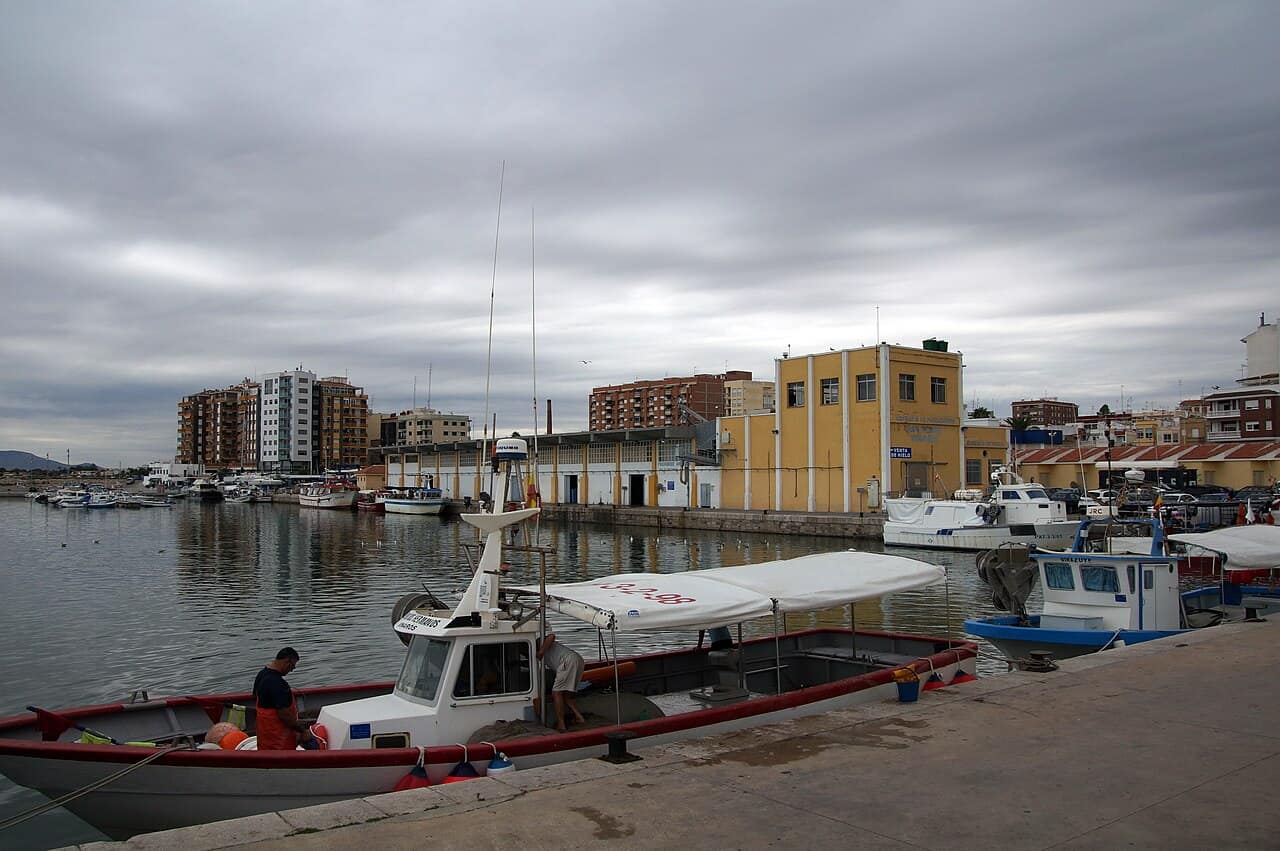
Vinaròs
A real fishing town at the region’s northern gate, famous for its prawns and its Friday market, with streets that work all year round.
Spain’s east coast: three provinces, worked end to end by the same people. Here’s the region as we’d drive it with you, top to bottom.
There are good reasons: three hundred days of sun, an airport at each end, food and healthcare people write home about, and a coastline that runs from castle towns to city beaches, with prices that still make sense next to the better-known coasts.
The places below aren’t a ranking, and they’re nothing like interchangeable. They’re where buyers like you tend to land, in the order you’d meet them driving south, with an honest line on what each one is really like. If yours isn’t on the list, ask anyway: the region is bigger than any page.
The quieter, better-value stretch: long sand, working towns and a protected mountain coast. Much of it still trades under about €2,500 a square metre, rare for genuine coastal Spain.
A real fishing town at the region’s northern gate, famous for its prawns and its Friday market, with streets that work all year round.
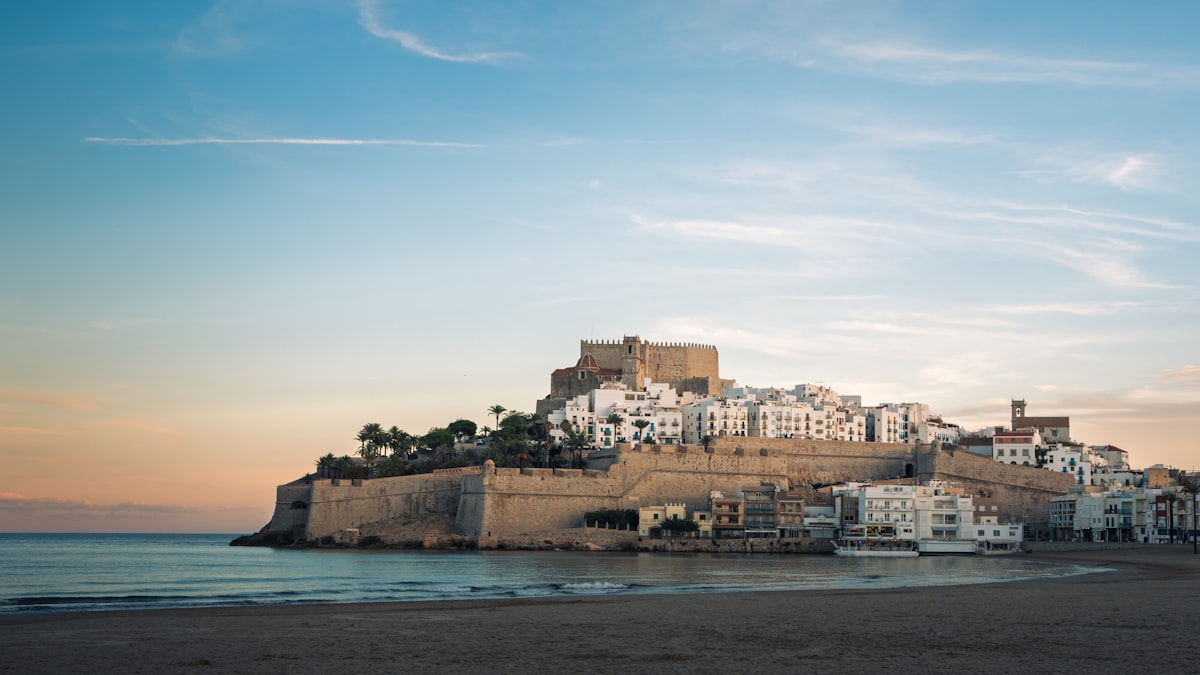
The walled sea-castle on its rock is this coast’s postcard, and behind it a working town with long beaches that breathe out in September.
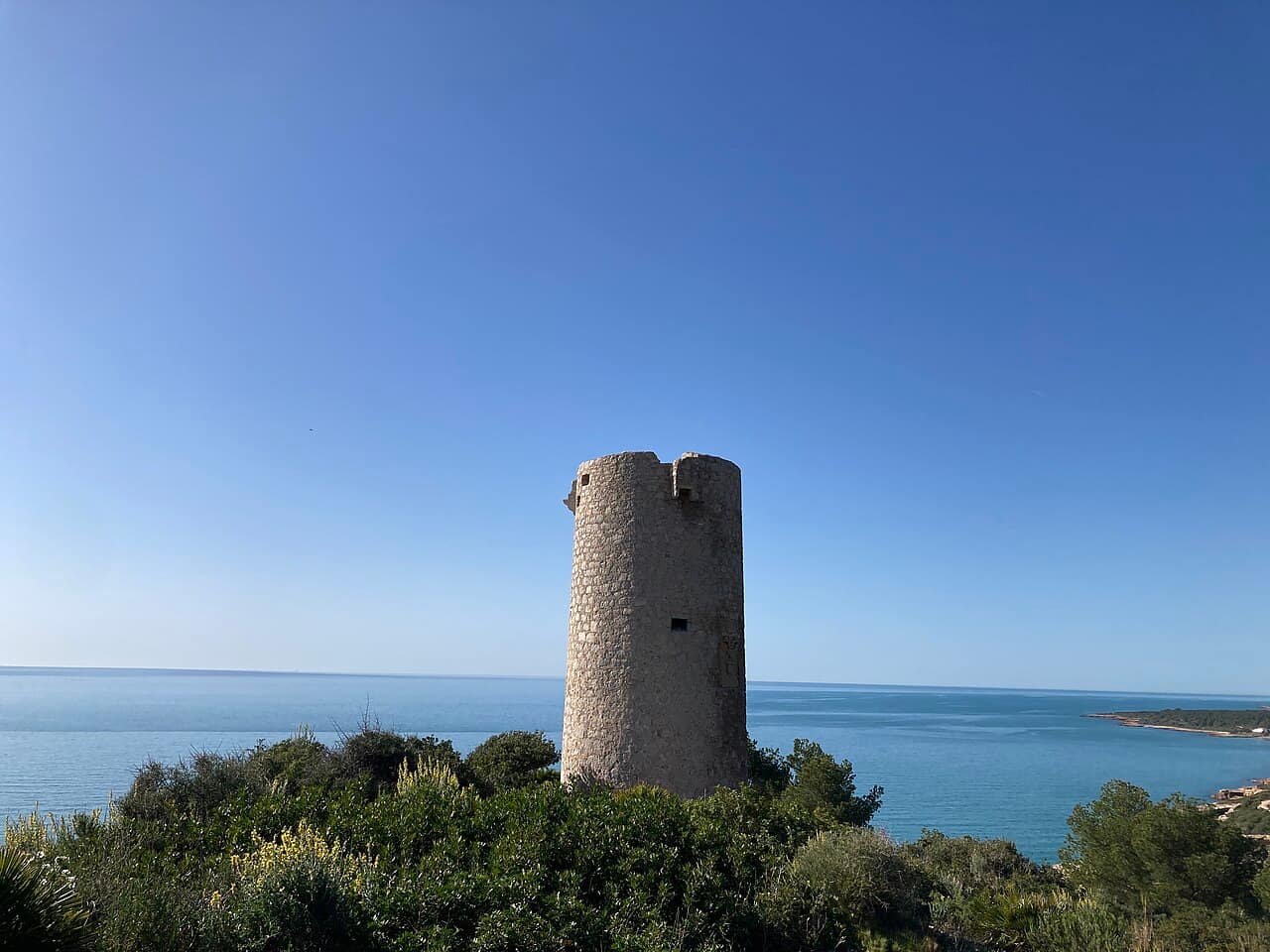
Low-rise streets and quiet coves under a natural park, the stretch people mean when they say “the coast without the crowds.”
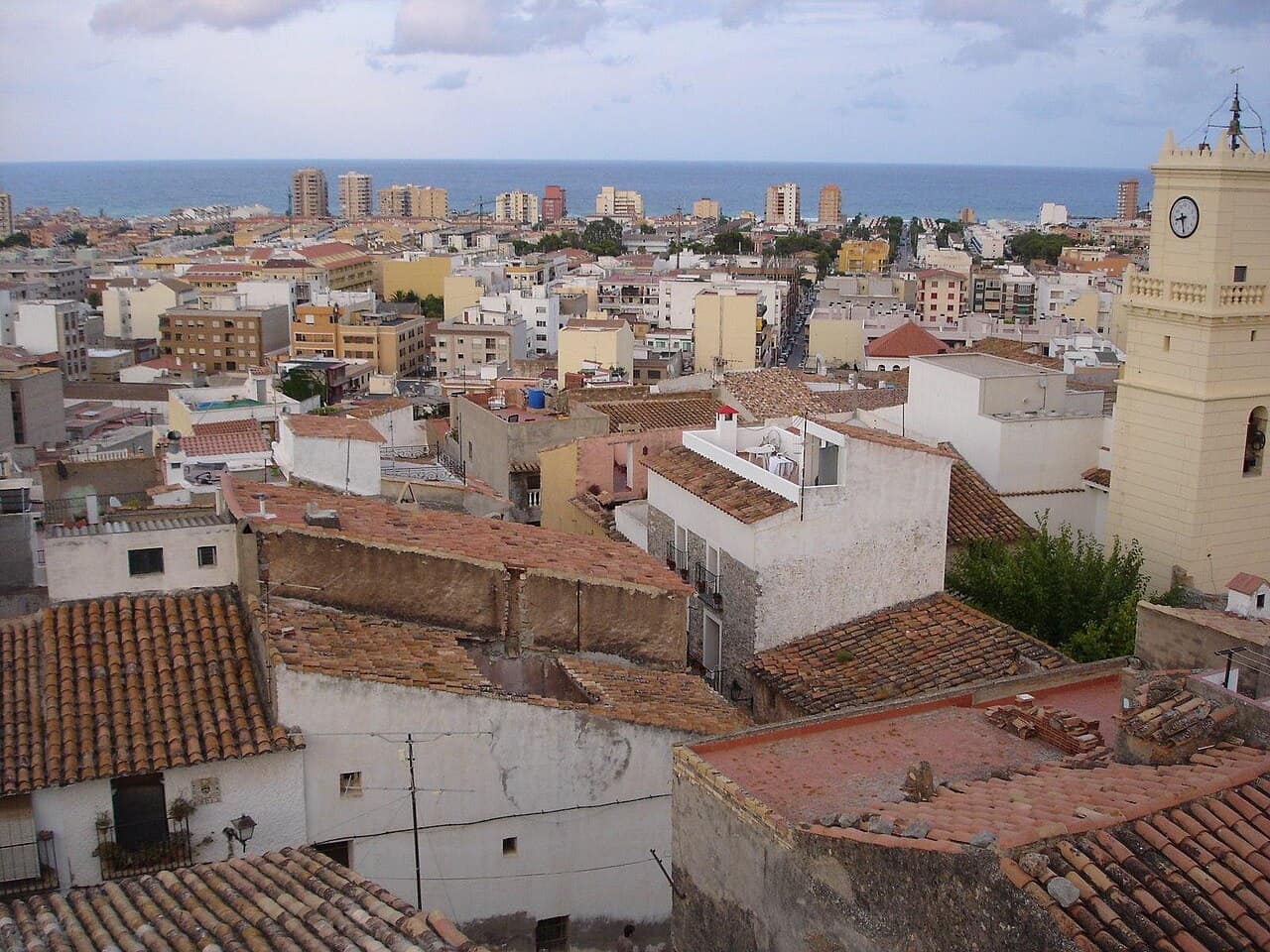
An old town on a headland between two very different beaches: marina living on one side, family sand on the other, often better value than the bigger names next door.
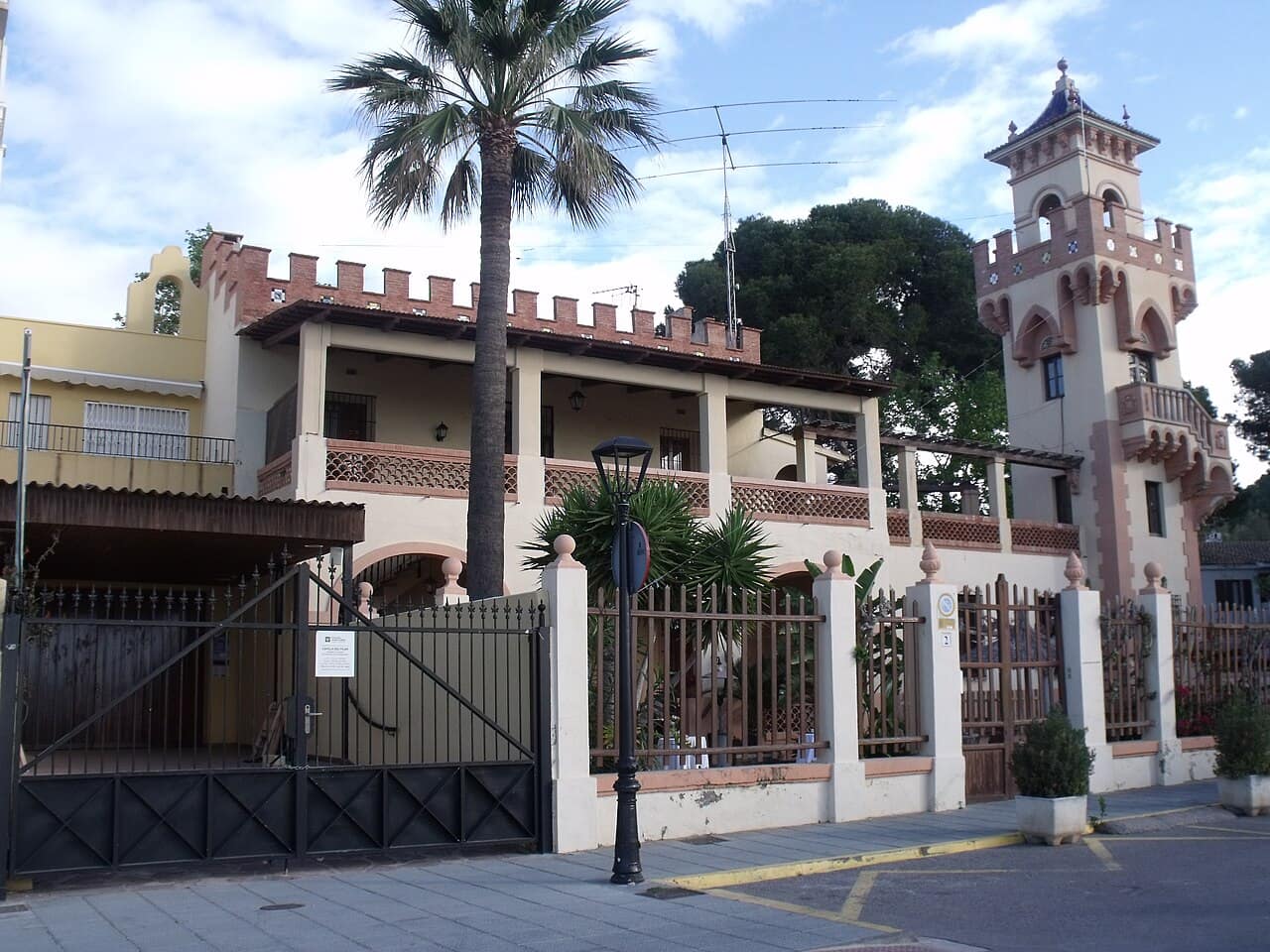
Belle-époque villas along the Voramar seafront and long blue-flag beaches, a family second-home classic for over a century.
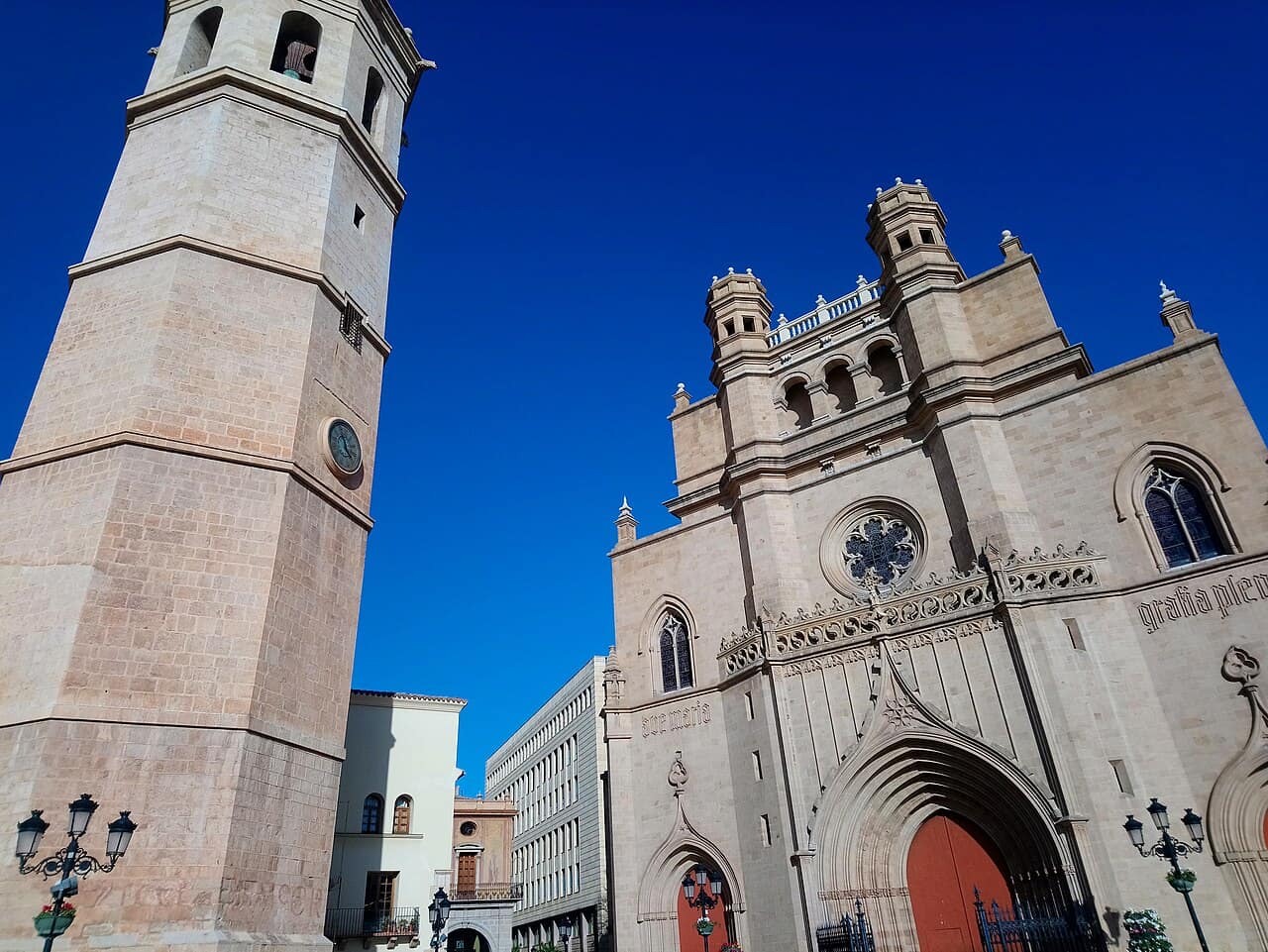
The provincial capital: El Fadrí’s bell tower over café squares, real year-round city life, and its own beach quarter at el Grau, a short tram ride away.
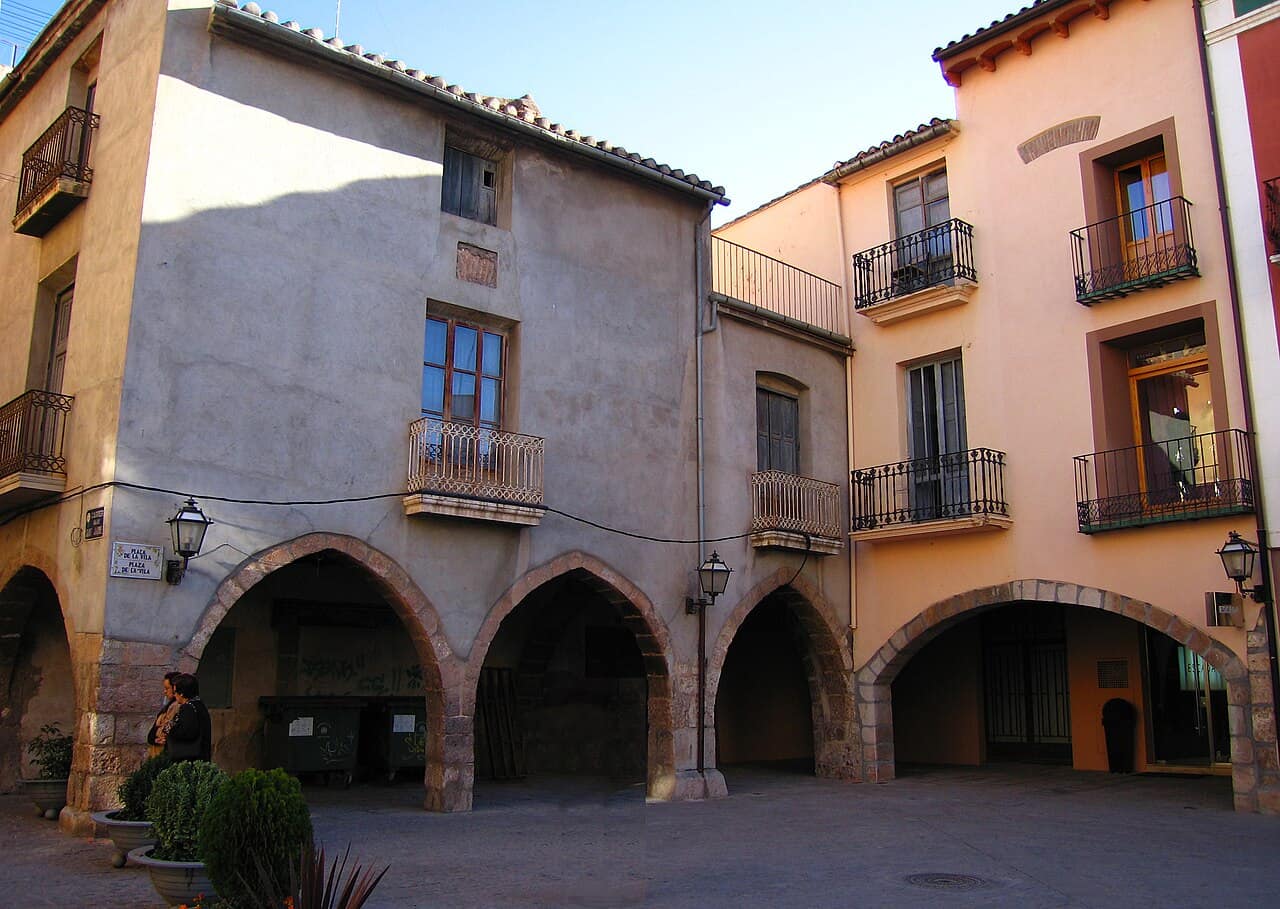
An inland working town of orange groves, arcaded squares and everyday prices: the Comunitat as locals actually live it.
Spain’s third city, the commuter towns around it, and the Safor’s family beaches to the south, where city life and beach life sit forty minutes apart.
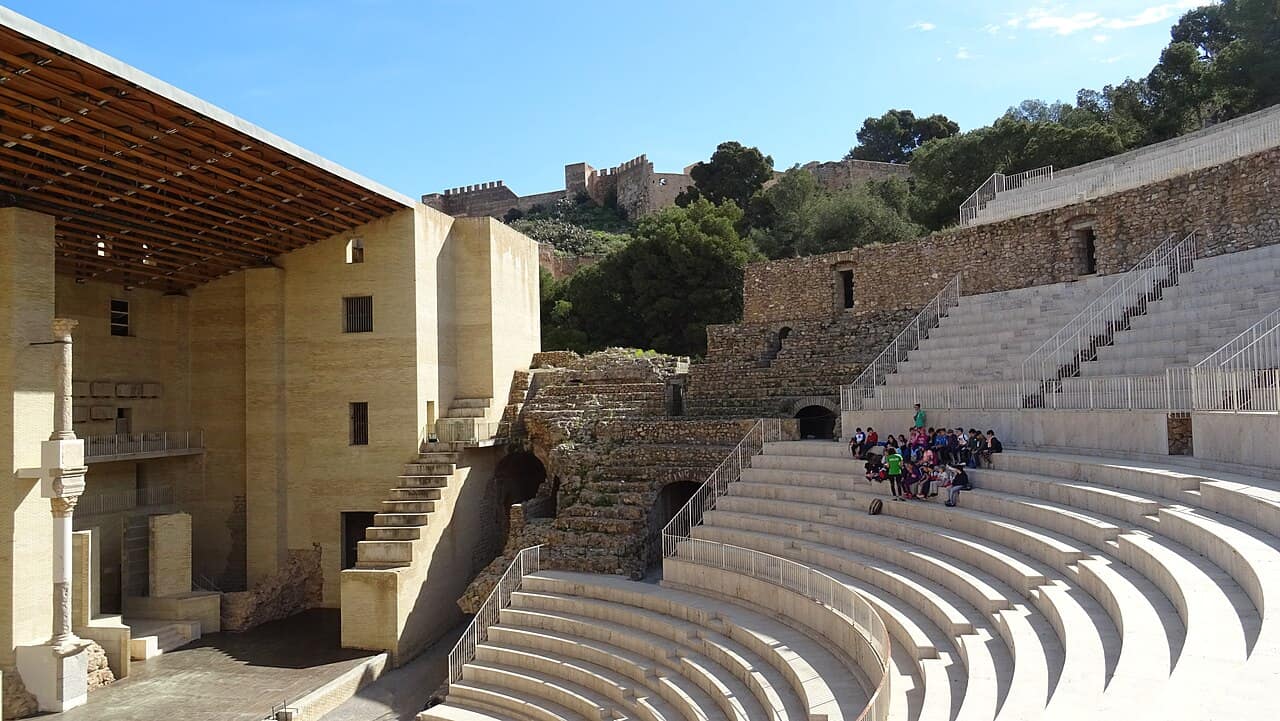
A Roman theatre and a castle ridge above town, commuter trains to València below: history on the hill, practicality at the station.
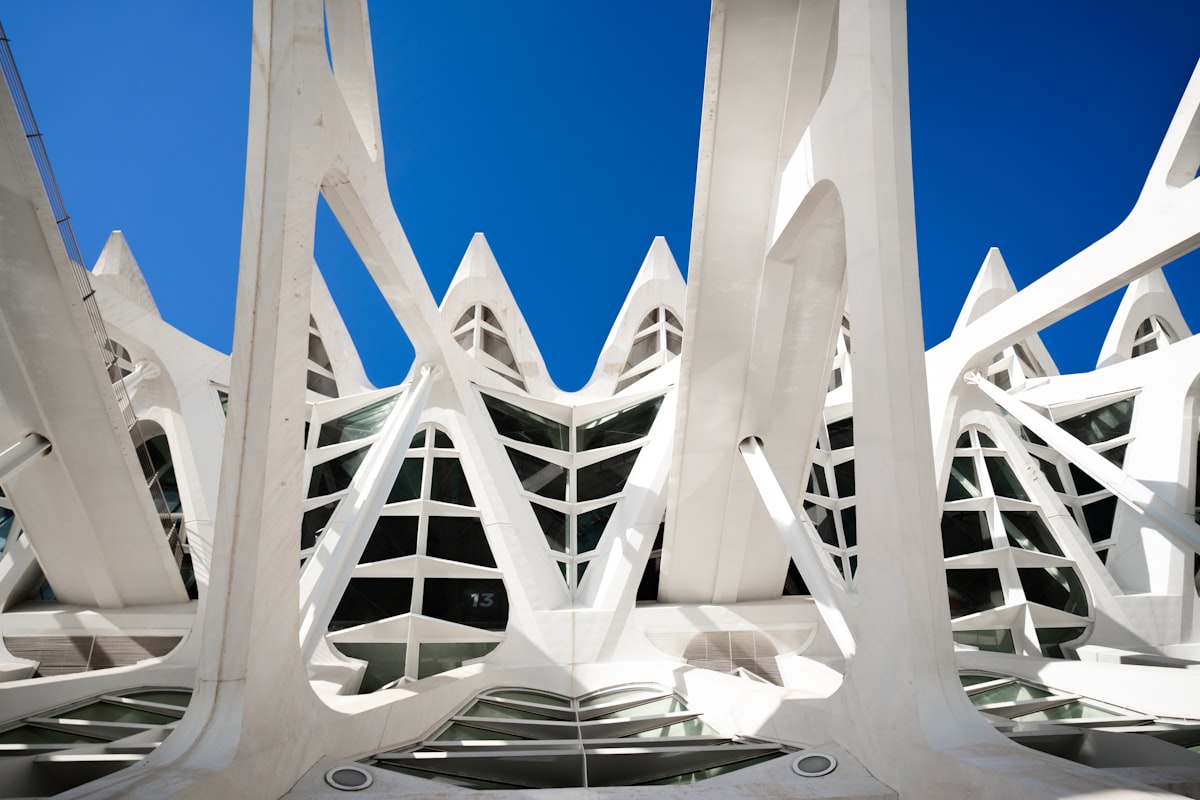
Spain’s third city: the Turia gardens running through it, beach quarters like El Cabanyal, and the City of Arts glowing at its southern end.
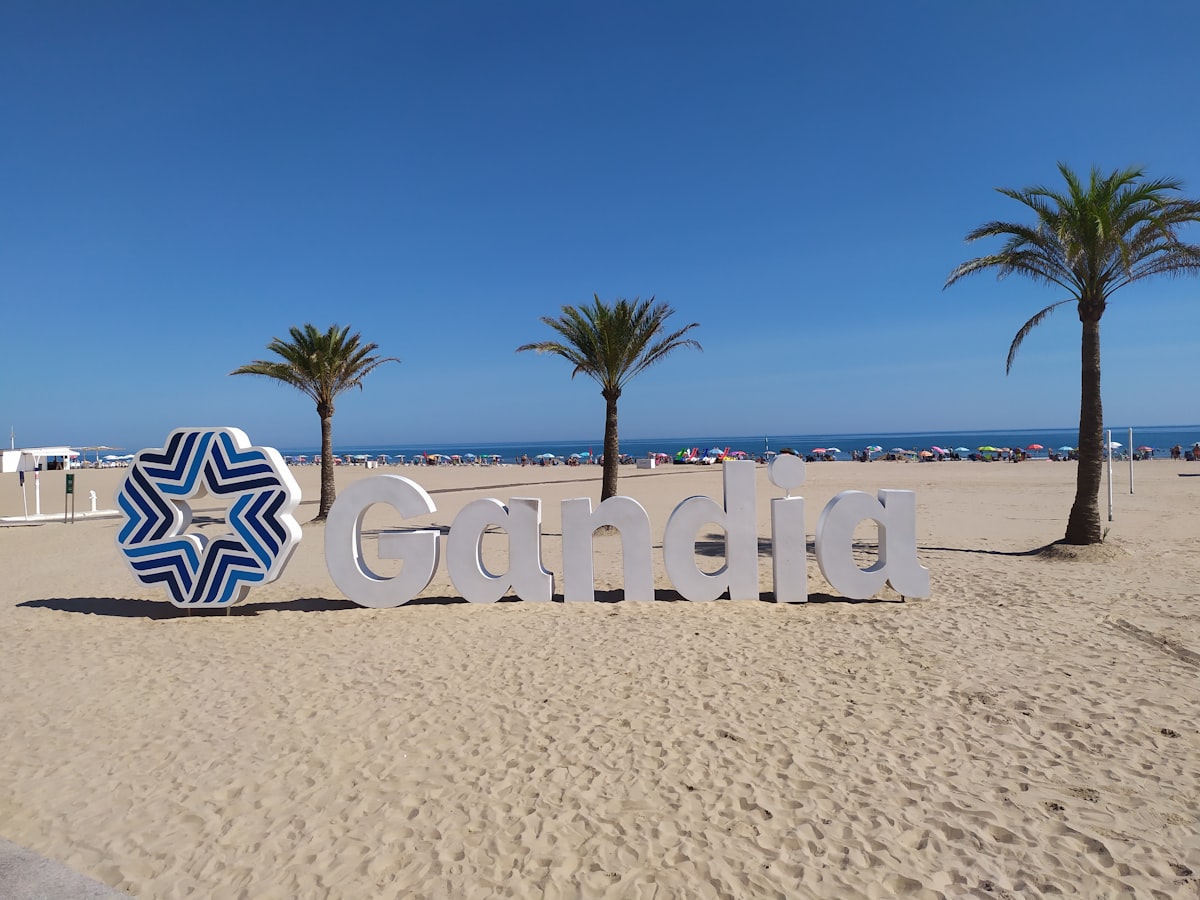
The Safor’s market town with a big, family-first beach, busy with Valencians in August, calm and local the rest of the year.
The coast most foreign buyers meet first: dramatic capes and old towns in the north, resort energy in the middle, and Spain’s most international neighbourhoods in the south.
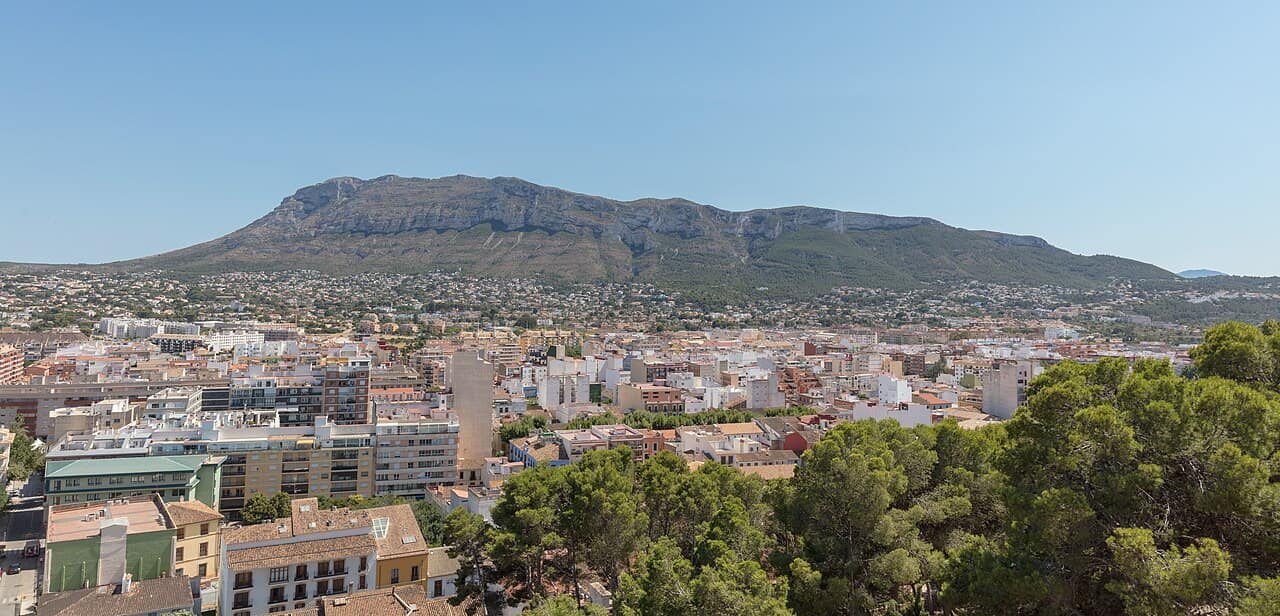
A castle town under the Montgó massif, ferries to the islands from its port, and a food scene that outgrew the town long ago.
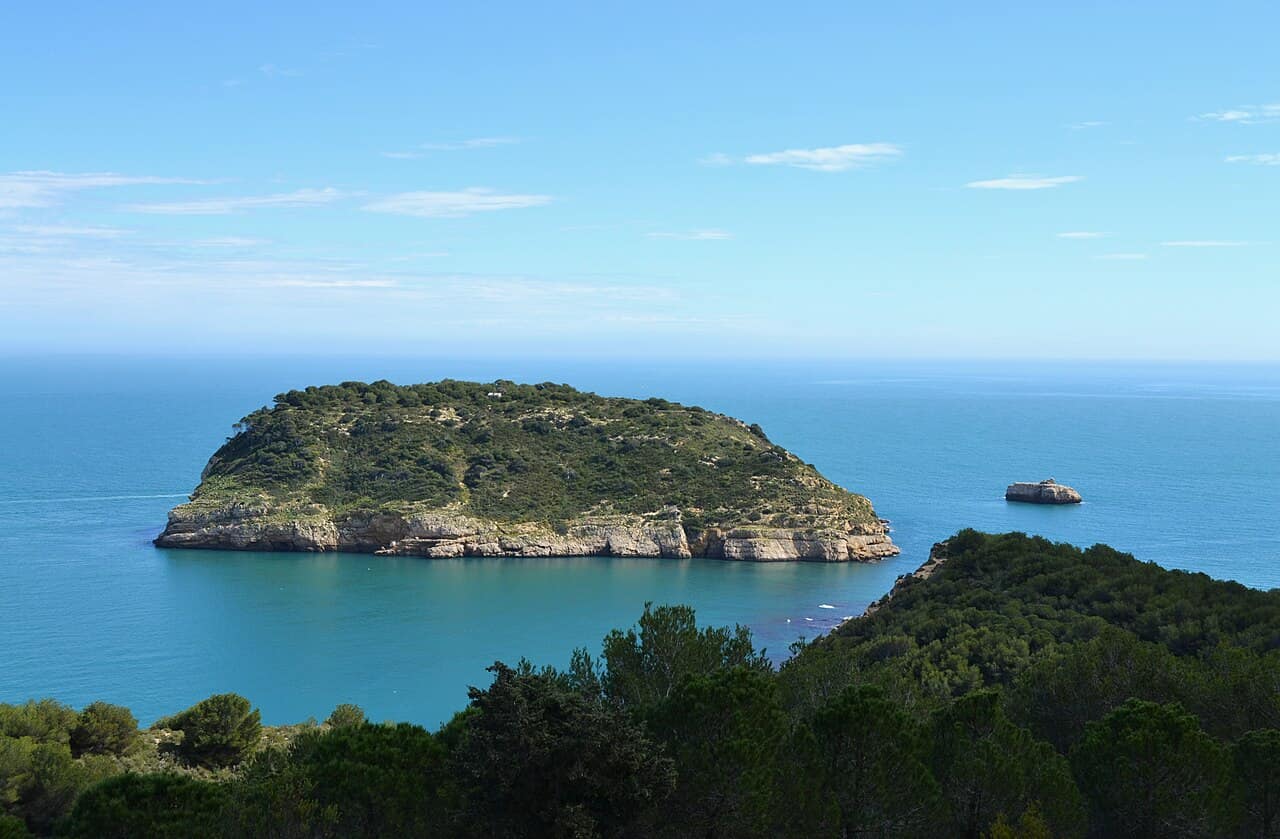
Pine headlands, hidden coves and the little island of Portitxol: this coast at its most painterly, and priced accordingly.
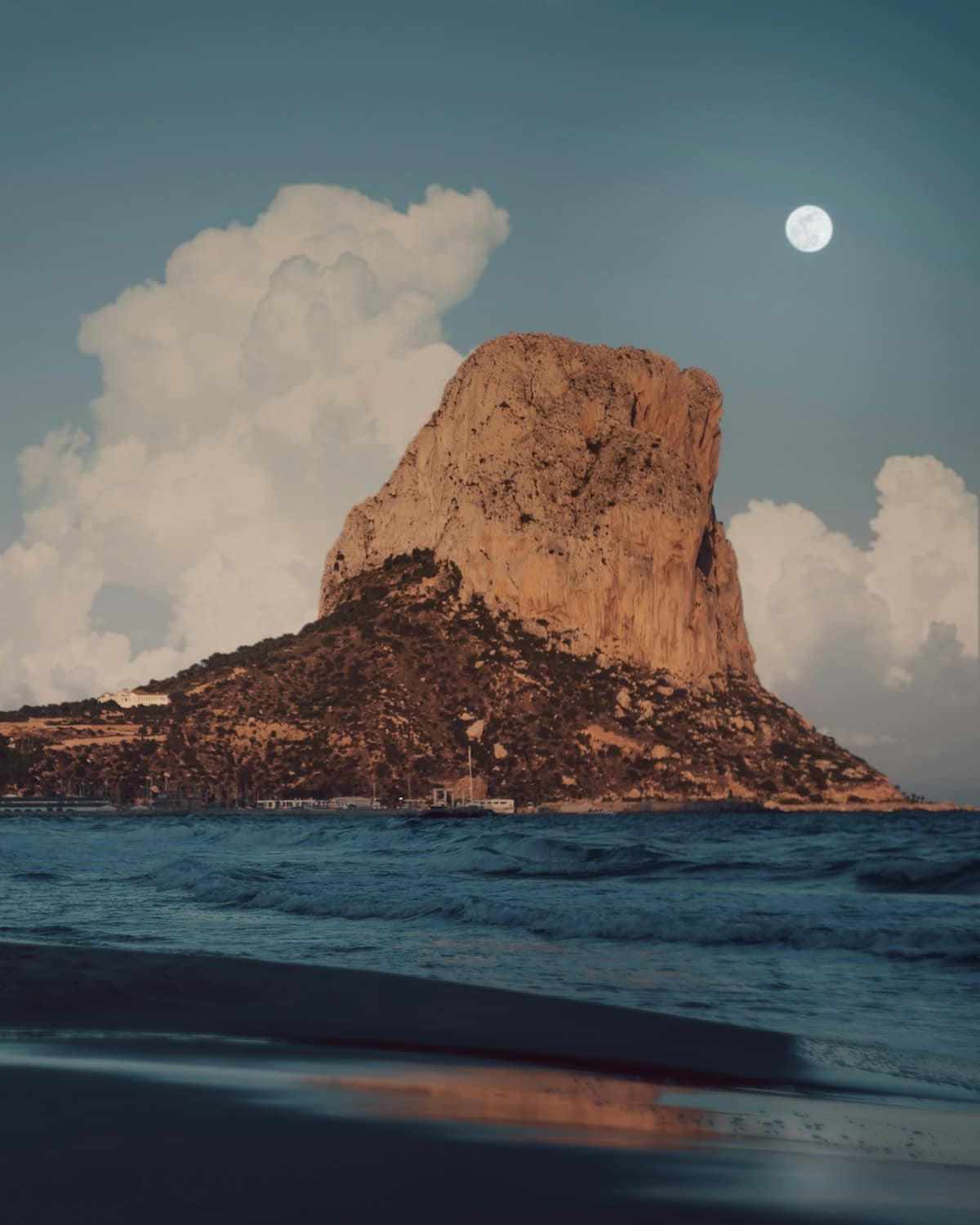
The Penyal d’Ifac rises straight out of the sea: climb it before breakfast, then pick between the two long beaches on either side.
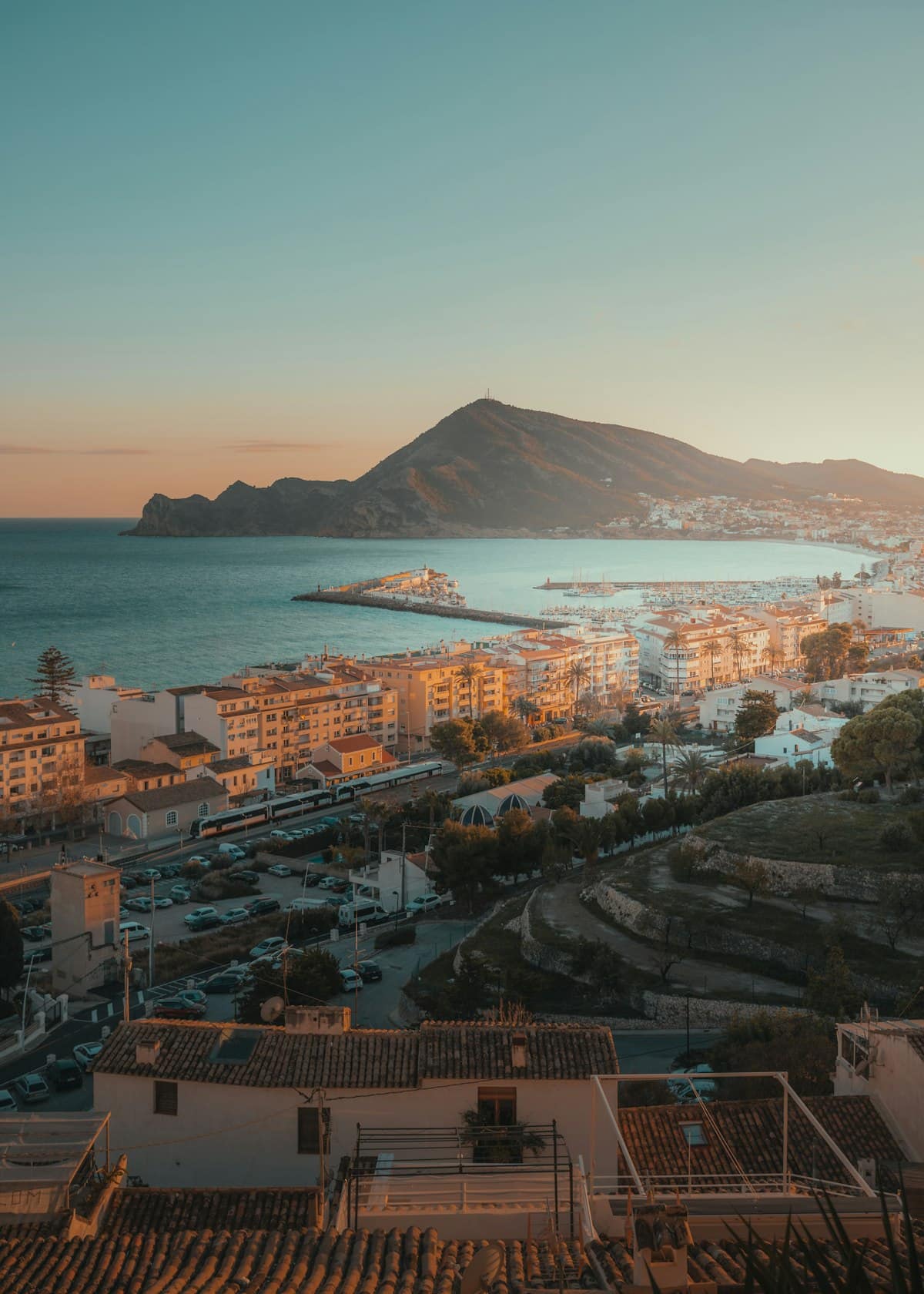
White lanes climbing to a blue-domed church, a long seafront below, the old town everyone photographs, calmer than its fame suggests.
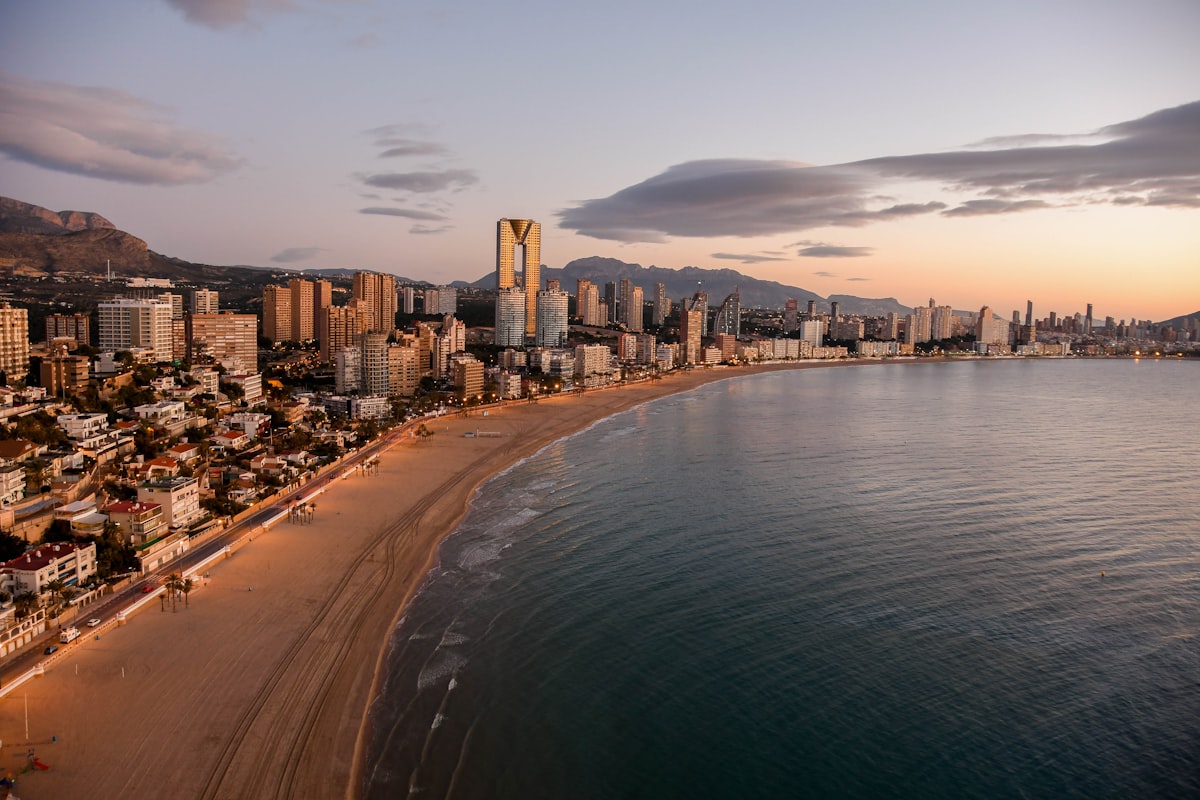
Spain’s vertical resort: high-rise, high-energy, beaches that work all year. Not everyone’s Spain, and we’ll say honestly whether it’s yours.
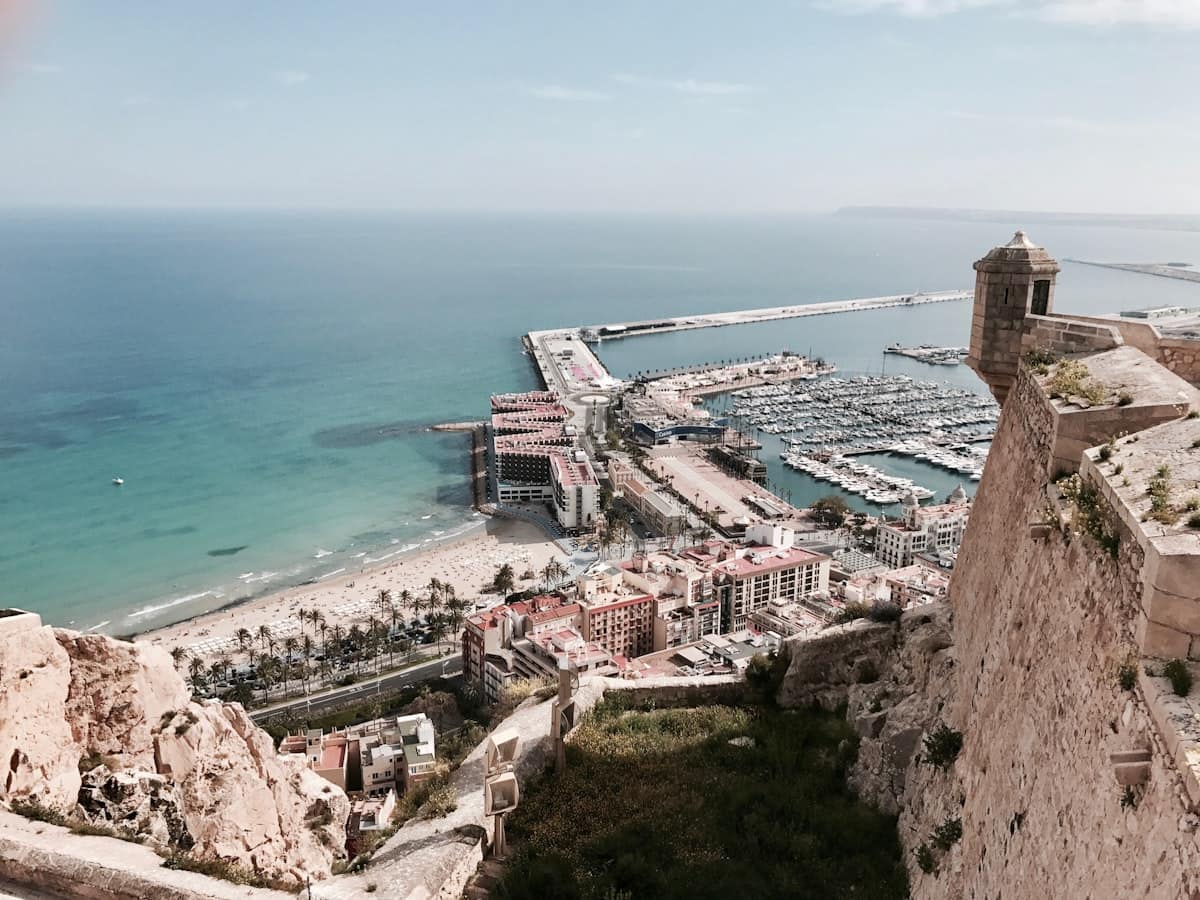
The Costa Blanca capital: Santa Bárbara castle above the port, a palm-lined seafront, and an international airport twenty minutes out.
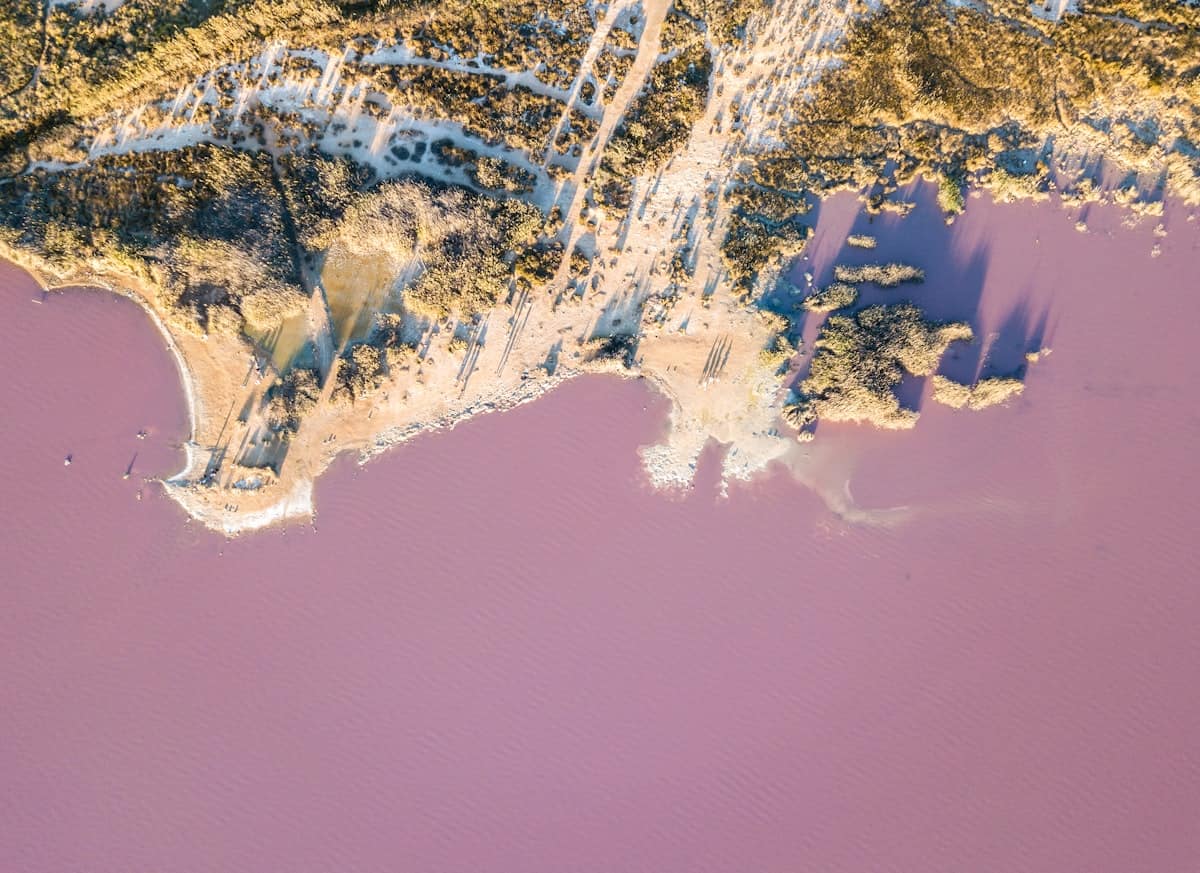
One of Spain’s most international towns, where half the streets sound like Europe, plus a pink salt lagoon that looks made up until you see it.
We don’t list every home online; a lot moves privately. Tell us the life you’re after and you’ll get a straight answer on where in the region it’s worth looking.
Photography: real places, no stock lookalikes. Some images via Wikimedia Commons; full credits here.